The problem: weight x wrong rate
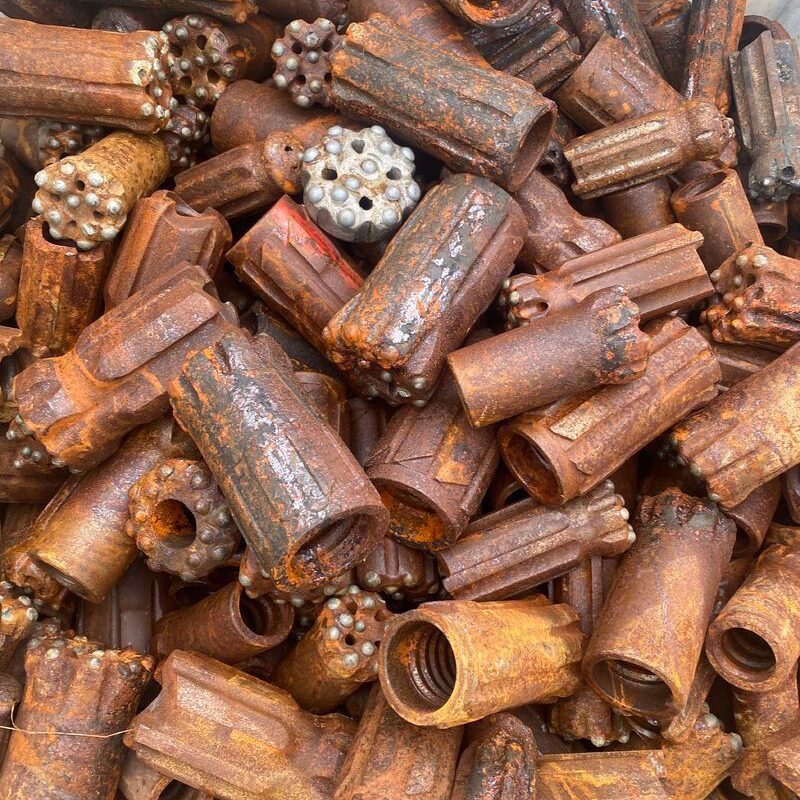
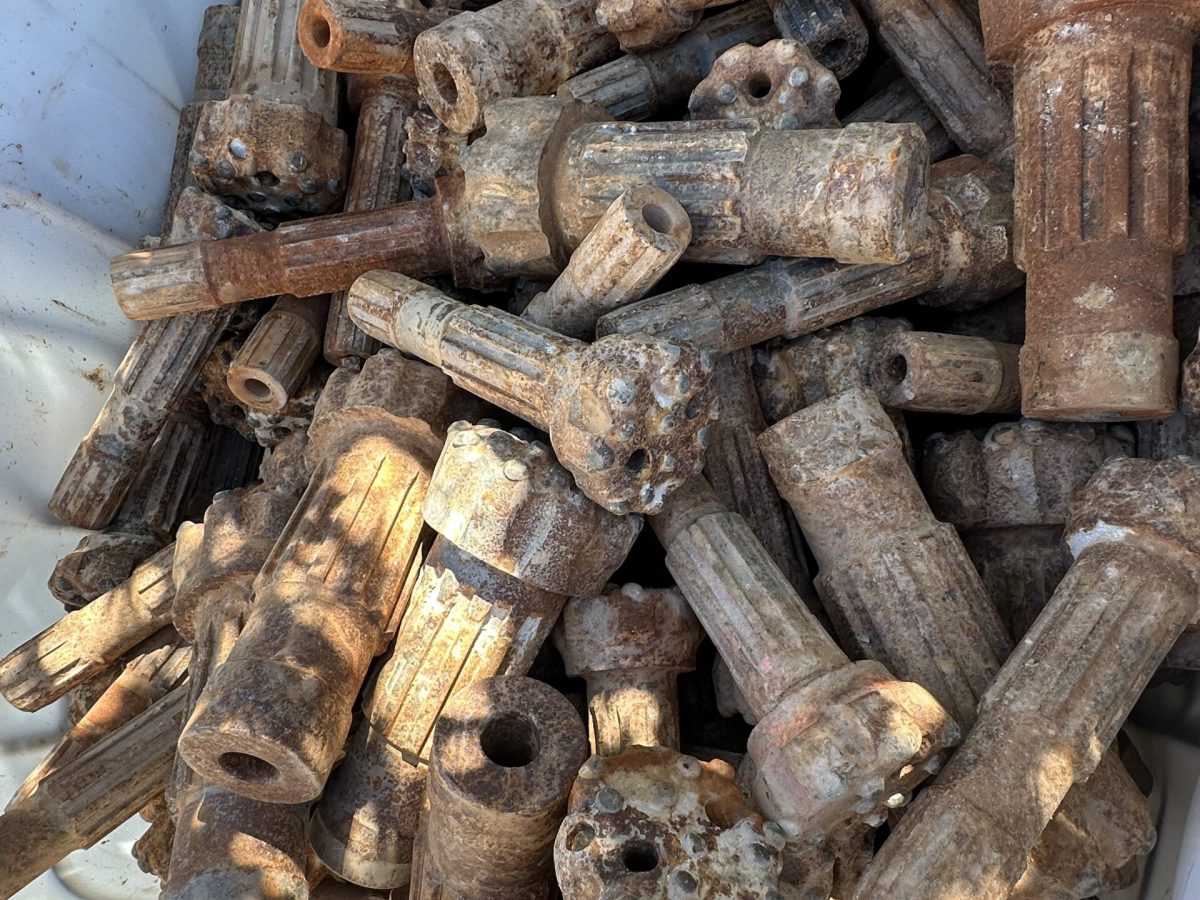
A typical haul truck operator’s “alloy bin” at the end of a six-month maintenance cycle holds about 1.4 tonnes of scrap. Steel shanks, worn button bits, broken inserts, a few dozen pieces of carbide grade tooling. If the local scrap yard weighs the whole thing and pays “mixed alloy” – say $1.40/kg – the operator walks away with about $1,960.
If the same bin is sorted into steel and carbide on arrival, X-ray fluoresced for tungsten and cobalt content, and paid per kilogram on grade, the operator walks away with closer to $8,400. Same scrap, same week, four times the cheque. That gap has been widening since 2024.
Quick context
“Mixed alloy” rate at a general scrap yard treats your scrap as ferrous + non-ferrous, weighted toward the lower end. Specialty buyers pay on actual element content. The size of the gap depends entirely on whether tungsten, cobalt or precious metals are in your bin.
Why the gap widened in 2025
Three things converged. First, tungsten supply tightened – China’s export quota dropped to its lowest level since 2010, and that pressure shows up in spot carbide prices within weeks. Second, downstream demand from German and Japanese carbide regrinders stayed strong despite the broader manufacturing slowdown. Third – and this is the one that surprises people – general scrap yards started running thinner margins on ferrous, which paradoxically reduced their incentive to test for high-value alloys in their incoming bins. The volume play wins.
The net effect: more carbide is being paid out at base steel rates by yards that don’t have an XRF station, while specialty buyers like us – who do – are paying close to LME-tracked rates.
A note on cobalt
Cobalt is the unsung half of carbide pricing. Standard tooling is 90% W + 6-10% Co; some grades go higher. Cobalt has tripled in three years on EV battery demand. If your assay doesn’t break out cobalt, you’re leaving money on the table – even at a good yard.
What an XRF assay actually shows
The Niton XL5 is the workhorse of specialty scrap testing. Point it at a worn carbide button bit, hold for three seconds, you get:
- Tungsten (W) – typically 84-92% on sintered carbide tooling
- Cobalt (Co) – 6-11%, the binder phase
- Nickel (Ni) – present in some grades, alternative binder
- Tantalum & Niobium – micro-alloying, usually under 1%
That breakdown determines the per-kg rate. A high-cobalt grade pays more than a high-nickel grade, all else equal. The assay is also what a downstream regrinder pays you for – it carries through the chain.
We had a Pilbara mine call us about a “small carbide drum” they thought was worth a couple thousand. We assayed it at 91% W, 8% Co. The drum paid out at $34,000. The site manager had been throwing identical drums into the general scrap bin for two years.
– Daniel Brown, founder
How to capture the difference
Four things, in order:
- Separate at source. Carbide goes in its own drum from day one. Don’t mix with steel. The steel will pull the per-kg average down to base alloy rates.
- Use a buyer with an XRF. Ask straight out: “Do you assay carbide on arrival, or do you pay a flat per-kg rate?” If they pay flat, you’re not getting carbide value.
- Demand the assay sheet. Any reputable specialty buyer will hand you the assay PDF before you sign off. That’s your proof of grade.
- Track downstream destination. The audit trail is where ESG reporting wins. Knowing your tungsten went to a German regrinder rather than an unknown export pile matters for NGER & GRI reporting.

Pre-sale checklist
Before you call any buyer:
- Estimate your carbide weight (separately from steel shanks if possible)
- Take 2-3 photos showing the variety of tooling
- Note any obvious grade markings or supplier names
- Ask three buyers for indicative quote – one general yard, two specialty
- Lock in the assay process in writing before pickup
That’s it. Five minutes of prep turns a $2,000 cheque into an $8,000 one on a typical haul truck bin. The maths gets even better at processing-plant or shutdown scale.