One yard. One process,
start to finish.
Whether it’s a single drum of worn carbide inserts or a multi-week Pilbara shutdown, the path from your worn tooling to a settled payment doesn’t change. Only the trucks and the tonnage do.
From your gate to payment.
Four steps, in the order they happen.
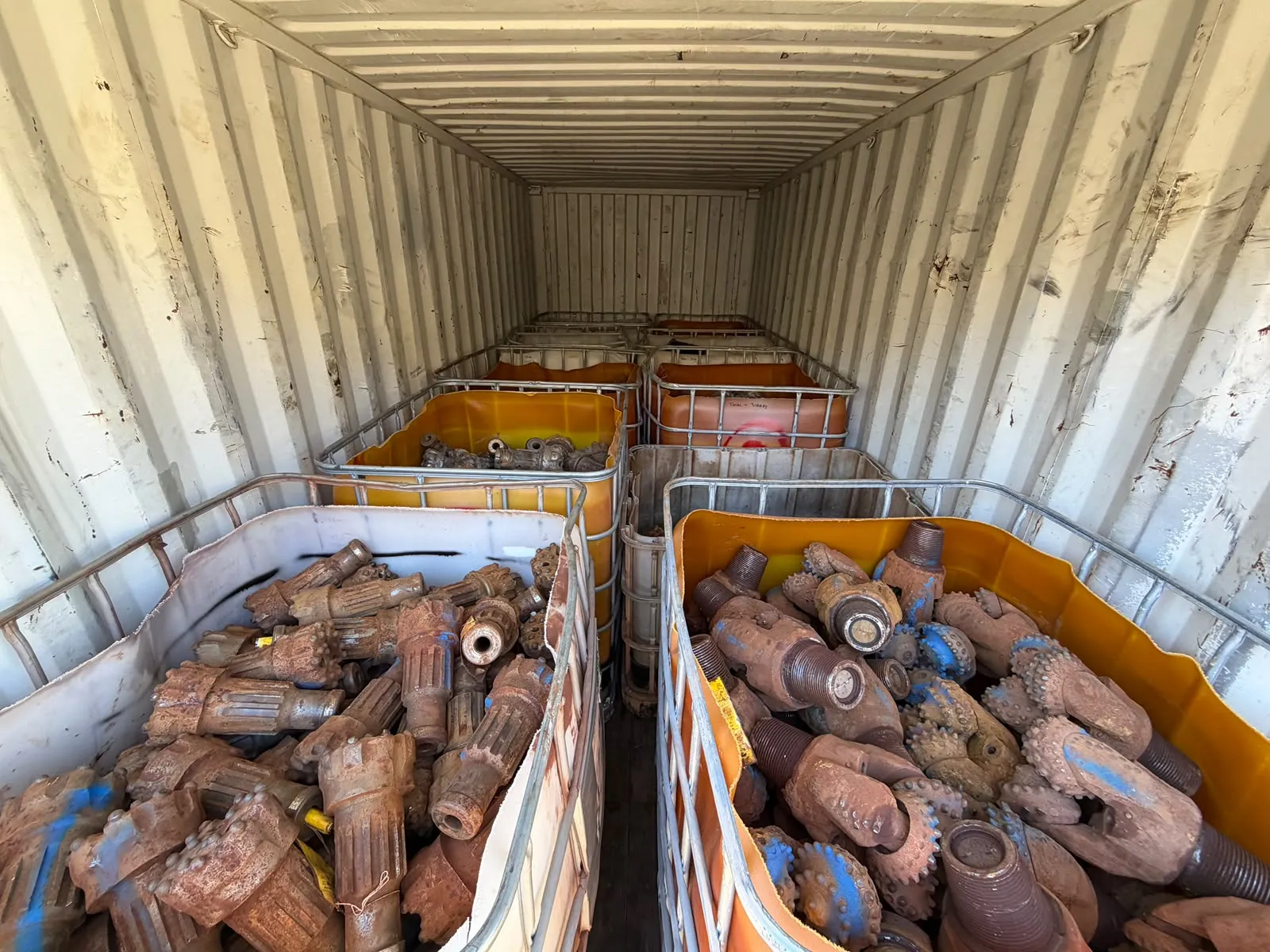
- 01 / Step Materials received Photographed and logged against a batch number as soon as they arrive, whether that's an IBC pod, a skip bin or a truckload off a shutdown.
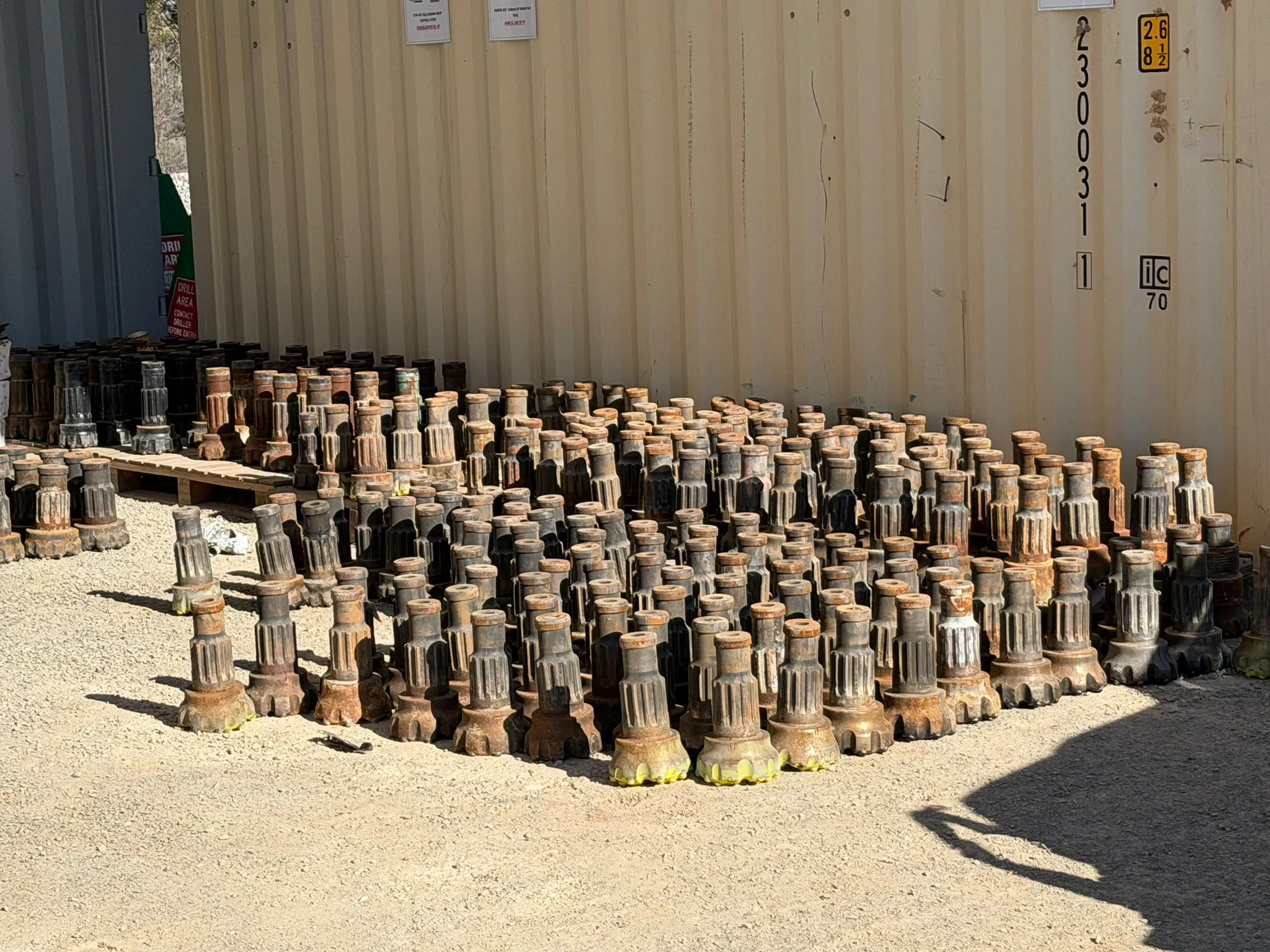
- 02 / Step Sorted and classified Separated by material type before anything is priced. This is the step that protects your return. Carbide, drill steel, stainless and nickel alloys all move at different values, and once they're mixed together they get priced as mixed scrap. Kept apart, they don't.
- 03 / Step Weighed and recorded Every load crosses the scale, and the ticket is kept with the batch record, so the tonnage on your paperwork matches the tonnage that was weighed.
- 04 / Step Payment processed Once the final weight and grading are confirmed, payment is made by EFT. Around 80% of loads that are ready to settle are paid the same day. If a load still needs sorting or processing, timing depends on that work and is confirmed with the customer.
What happens to your load once it's on our yard
Price starts with the sorted material and its grade. Each type is assessed on composition, condition, and how much steel or contamination is attached to it. Tungsten and other high value materials are priced against the current market price for that material, scaled for grade and tonnage. The number moves with the market, so we do not publish a flat rate.
Step 1Send photos and a rough weight before you commit to moving anything, and you'll have a figure to work from rather than an average.
Step 2Every batch also gets a record: material type, weight, and where it went. If your business needs that for something beyond the transaction itself, a procurement audit trail, an internal sustainability report, a specific stakeholder request, we can format the reporting to suit rather than hand over a generic docket. Ask when you book us in.
Step 3Sorted material leaves the yard in separate streams. Tungsten carbide, high-speed steel, nickel alloys and stainless each move on under their own grade rather than as one mixed load, which is the whole point of grading them first. The destination for each stream is recorded against your job, and we'll make that record available on request.
Step 4There's a genuine environmental case for recycling tungsten carbide rather than mining and refining new ore. Independent research (Furberg, Arvidsson and Molander, Journal of Cleaner Production 209, 2019) found recycling cuts the impact of tungsten carbide production by 22 to 100%, depending on the category measured. We don't have a figure specific to our own yard, but the underlying case holds.
Step 5For workshops and sites that generate worn tooling continuously rather than in one clean-out, we'll help set up the sorting itself: where bins sit, what gets segregated at the point of use, how carbide stays out of the general steel skip. Get that right at the source and the grading step on our end moves faster, and the return improves, because nothing had the chance to get mixed in first.
Step 6We can also run through material identification with your crew directly, on site, during a yard visit or as part of shutdown planning. It's a practical session: what to look for, what to keep separate, and why a bin of sorted metal is worth more than the same metal mixed.
Step 7Price starts with the sorted material and its grade. Each type is assessed on composition, condition, and how much steel or contamination is attached to it. Tungsten and other high value materials are priced against the current market price for that material, scaled for grade and tonnage. The number moves with the market, so we do not publish a flat rate.
- Composition assessed
- Condition checked
- Attached steel and contamination accounted for
Send photos and a rough weight before you commit to moving anything, and you'll have a figure to work from rather than an average.
- Photos and rough weight first
- No flat published rate
- Reference price moves with the market
Every batch also gets a record: material type, weight, and where it went. If your business needs that for something beyond the transaction itself, a procurement audit trail, an internal sustainability report, a specific stakeholder request, we can format the reporting to suit rather than hand over a generic docket. Ask when you book us in.
- Material type
- Weight
- Destination
Sorted material leaves the yard in separate streams. Tungsten carbide, high-speed steel, nickel alloys and stainless each move on under their own grade rather than as one mixed load, which is the whole point of grading them first. The destination for each stream is recorded against your job, and we'll make that record available on request.
- Streams kept separate
- Graded before it moves
- Destination on the record
There's a genuine environmental case for recycling tungsten carbide rather than mining and refining new ore. Independent research (Furberg, Arvidsson and Molander, Journal of Cleaner Production 209, 2019) found recycling cuts the impact of tungsten carbide production by 22 to 100%, depending on the category measured. We don't have a figure specific to our own yard, but the underlying case holds.
- Peer-reviewed 2019 study
- Result varies by impact category
- No yard-specific figure claimed
For workshops and sites that generate worn tooling continuously rather than in one clean-out, we'll help set up the sorting itself: where bins sit, what gets segregated at the point of use, how carbide stays out of the general steel skip. Get that right at the source and the grading step on our end moves faster, and the return improves, because nothing had the chance to get mixed in first.
- Bins placed at point of use
- Carbide kept out of general steel
- Faster grading
We can also run through material identification with your crew directly, on site, during a yard visit or as part of shutdown planning. It's a practical session: what to look for, what to keep separate, and why a bin of sorted metal is worth more than the same metal mixed.
- Practical material cues
- What to separate
- Why segregation protects value
Pick the route that fits your load.
Photos, a walk-through, a bin on site, or a full shutdown plan.
-
 01 01
01 01Send us photos
A few photos of the pile and a rough weight is enough to start. We'll come back with an indicative figure for what you've got. Good for one-off drums, a single bin, or anything you can photograph in one go.
-
 02 02
02 02Book a yard walk-through
If it's a mixed yard, an end-of-life tooling store, or you're not sure what you've got, we'll come and look. We walk the site with you, talk through what's there, and give you a straight read on how to sort it before anything moves.
-
 03 03
03 03Drop a bin on site
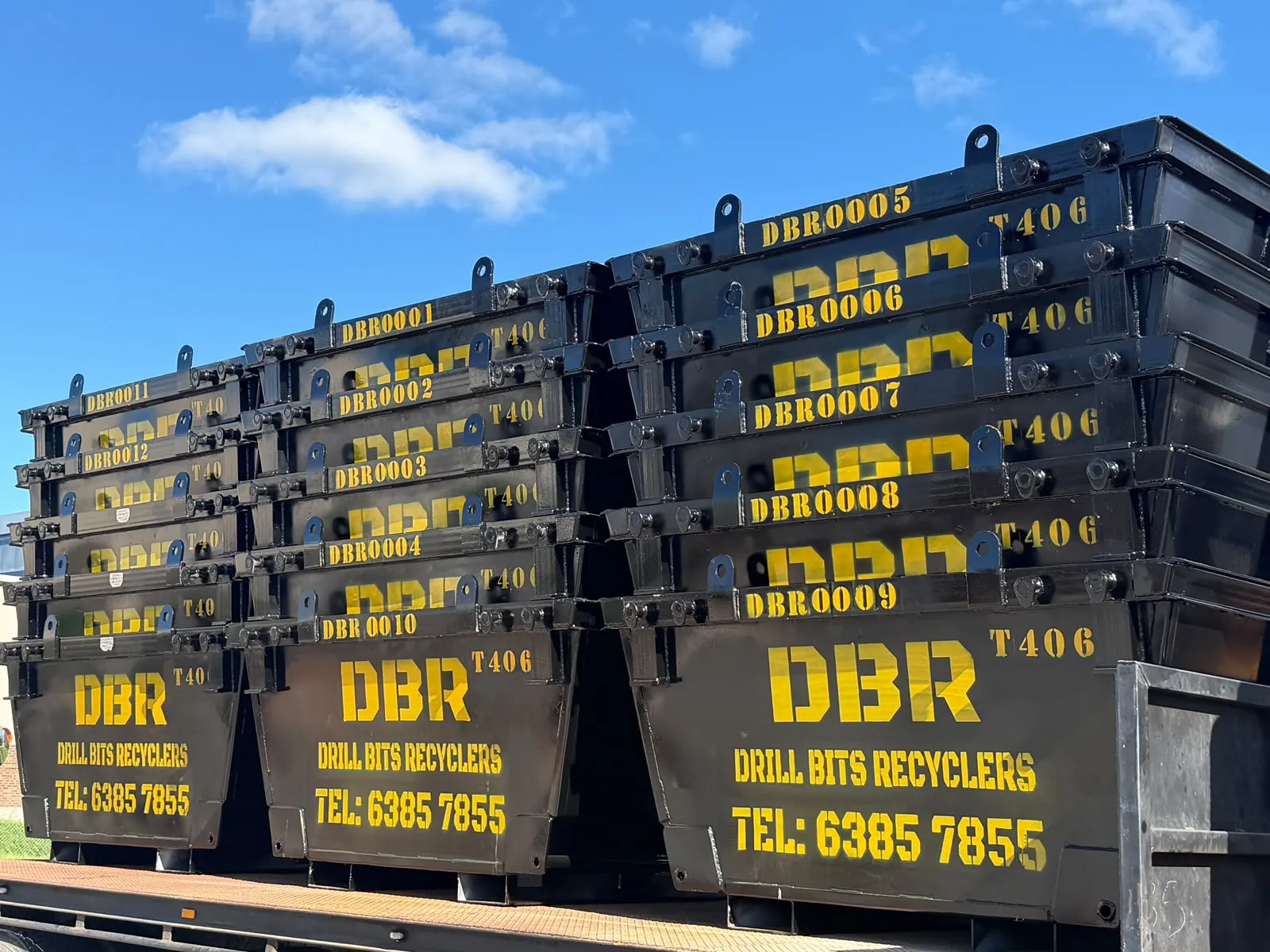
IBC pods and skip bins. The bin arrives on a backload, a truck already headed your way, so there's no cost for the bin and no freight charge. It's dedicated to your material and moves out again on your existing backload; we don't run a skip truck to pick it up.
-
 04 04
04 04Plan a shutdown
Send us the dates and a rough idea of what's coming off, and we'll plan the clearance around them. Every shutdown is scoped on its own rather than dropped into a fixed run.
Just call us.
Call (08) 6385 7855 and we’ll talk through the scope before you decide which route fits.
Anything we missed?
That covers the process. For questions about materials, pricing, freight and settlement, see the full FAQ.
Call our team or send through a quick enquiry, and we’ll get back to you.
-
No. Walk-throughs are free, but they need to be booked. Call ahead or make an appointment so someone is available to meet you.
-
Collections are arranged job by job. Metro Perth is normally same day or next day. Pilbara and Goldfields jobs are assessed individually and are generally collected within the same week. Timing is confirmed when you book.
-
Yes. You’re welcome at the yard when your material is weighed, and plenty of suppliers come in for the first load and then send the rest unaccompanied once they’ve seen how it runs.
-
Then we show you why, against the sorted categories and the weights. A number you can’t interrogate isn’t much use to a procurement officer, so the batch record breaks down what was found rather than giving one figure for the whole load.
-
Yes. Most laydown yard clear-outs are mixed. The point of sorting at our end is that the carbide and specialty alloy gets pulled out and priced properly instead of being weighed in at general steel rates with everything else.
Send photos. Get an estimate back.
A few photos and a rough weight is enough for an indicative view of what your load is worth.
WA-wide pickup · Free bin and freight, on backload · Full documentation, every load