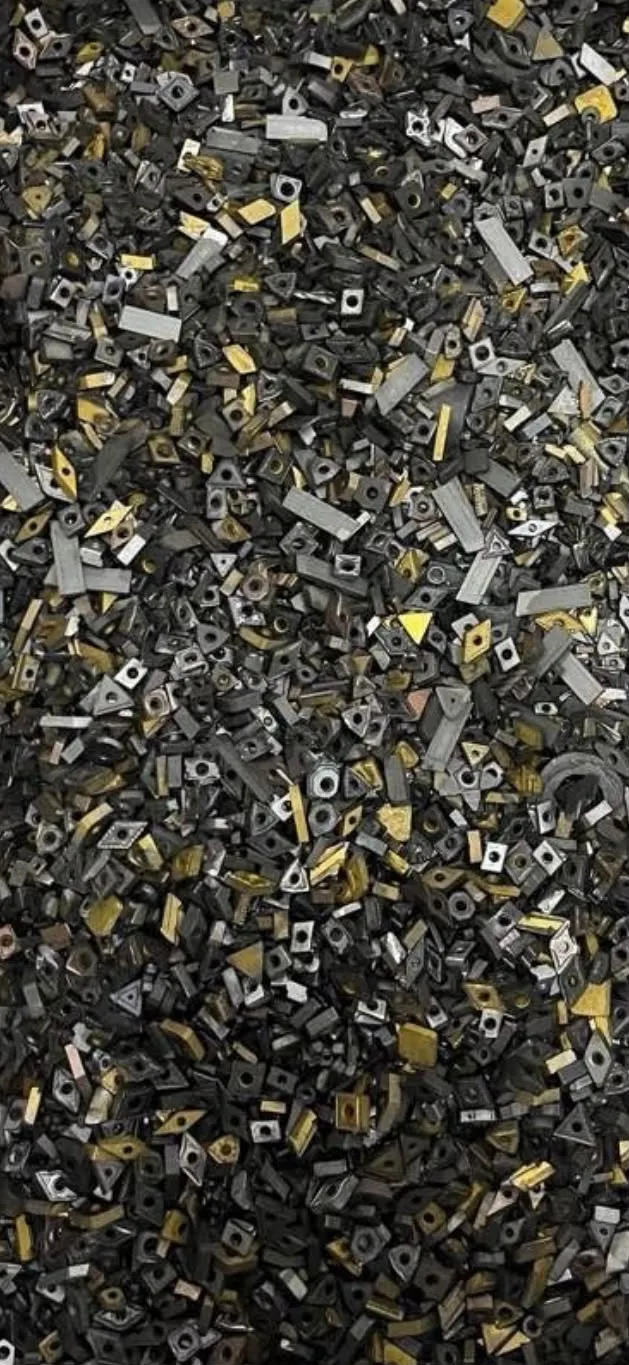
A worn end mill and a worn carbide insert sit side by side in the same tray, and once they go into one bin they get weighed together at the rate set for the cheaper of the two. The carbide is the part that carries the value, and it is the part that disappears first in a mixed load.
We separate a workshop load into carbide, high-speed steel, stainless and the rest at Malaga before anything is priced, so each stream is valued against the current market price for that material. Where a batch genuinely needs its composition confirmed, we reach for the XRF; that check is run on material that warrants it, not on every load.
See how we price carbide inserts, end mills and cutters and high-speed steel tooling, and use our identification guide when a drawer of unmarked tooling turns up during a clean-out.
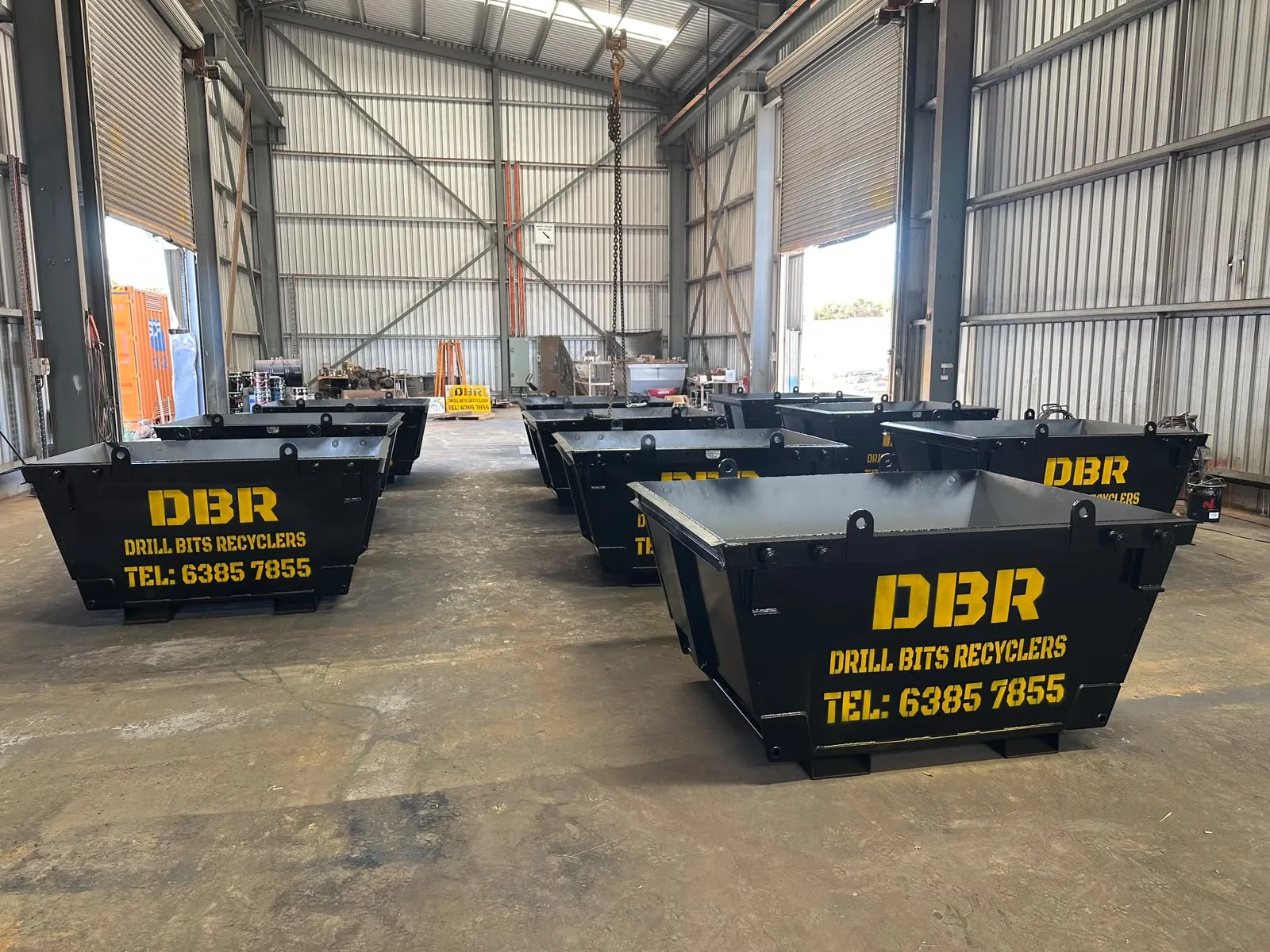
Whether a bin sits in the workshop is decided case by case, weighing the relationship, location, material and expected weight, and bins are generally set up for repeat customers. A tool room that fills a drum over a quarter can bring the load to the Malaga depot by appointment instead, and a walk-through ahead of a bigger clear-out is free but must be booked, since the team isn’t always at the yard.
Every quotation states its own expiry, usually 24 or 72 hours depending on the material and market conditions. Contamination is handled by weight: if a drum of tooling carries coolant-soaked rag, timber or non-complying steel, that assessed weight comes off the gross rather than the load being knocked back.