Industries · Overview

Industries
we serve

Mining, oil and gas, civil and tunnelling, manufacturing, defence and marine, heavy plant and maintenance. Different sectors send different tooling through our gate, but every batch gets sorted by alloy and weighed on scale before it’s priced, whichever industry it came from.

Based in Malaga, WAOne sort-weigh-pay process, every sectorFree bin, free freight
How every sector fits the yard

Sorted by alloy,
whichever industry it came from.

A worn carbide button bit off a drill rig and a worn carbide insert off a CNC lathe are both tungsten carbide. Every batch that comes through the gate at 2/89 Pavers Circle is sorted by alloy family, whether it arrived from a Goldfields shutdown or a Malaga workshop.

What changes by industry is the mix. A mine site sends drill string and ground engaging tools. An offshore platform sends tubulars and decommissioning steel. A manufacturer sends end mills and dies. The pages below cover the streams, the logistics and the pricing detail specific to your sector. This page is the index. If you already know which industry you’re in, go straight there.

What a batch is worth depends on grade, how much contamination or attached steel is mixed through it, and the tonnage involved, checked against the current market price for that material. We do not publish a flat rate across industries because those variables shift from one batch to the next; sending photos gets you a straighter answer than a generic price list would.

Once a batch is signed off and weighed, EFT payment follows. Around 80% of loads that are ready for settlement are paid the same day, though material still working through sorting can take a little longer. That is the typical pattern, not a guarantee.
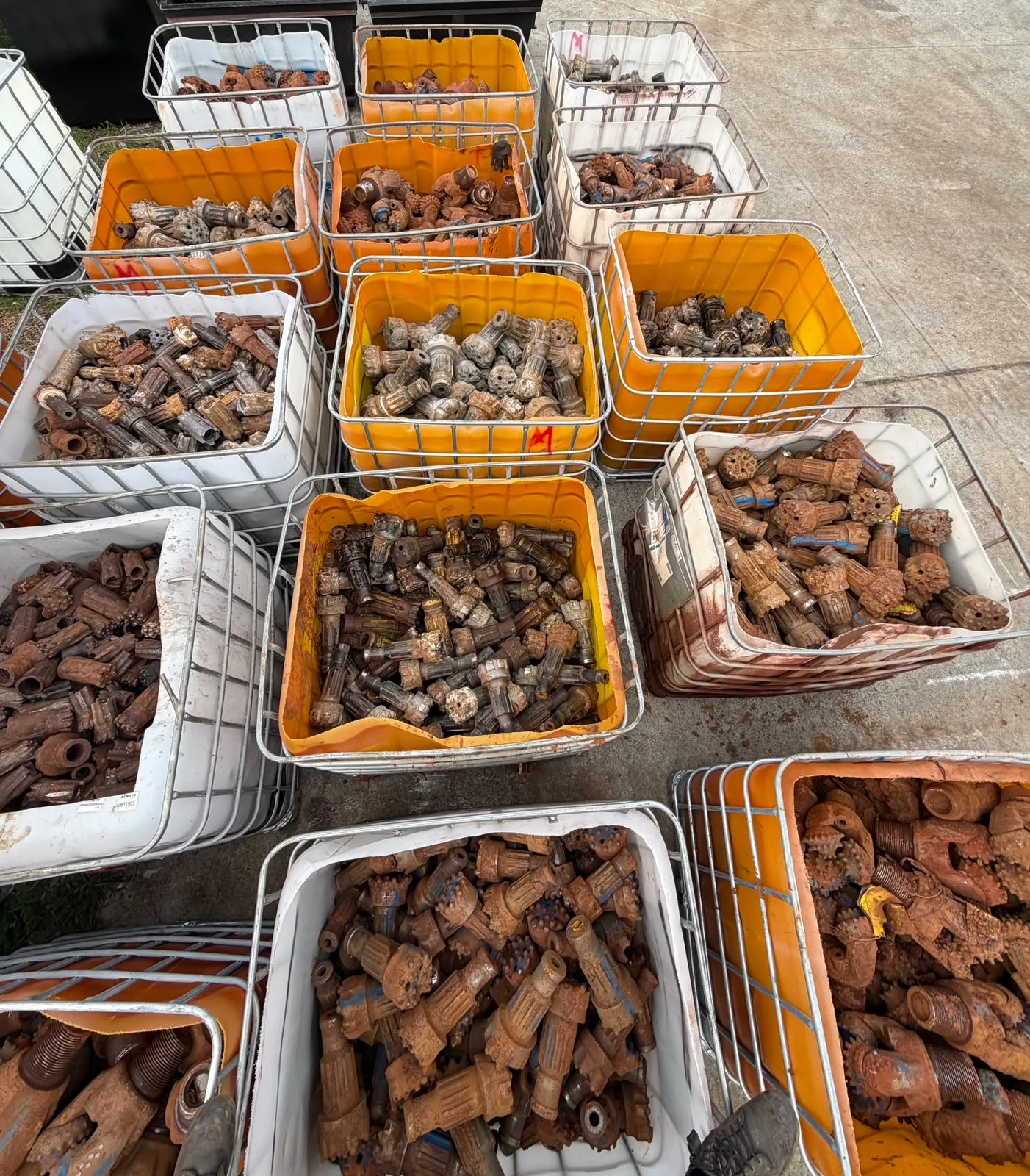
Sorted bins of drill bits and drilling consumables separated by typeMining · WA-wide
How we work with every sector

What decides the price.
Alloy, volume and origin.

Whatever industry sends the load, the same three questions decide what we pay and how we handle it.

02 / Volume
How much is there
A single drum off a workshop bench and a laydown yard clearance off a mine site are both weighed on scale before anything is priced.
03 / Origin
Where did it come from
Site of origin and any paperwork the site requires travel with the batch. This matters more in some sectors, defence and offshore among them, and each industry page below covers what applies to yours.
The process

Four steps.
Every industry.

The same sequence scales to each job.

  • 01 / Step Received Photos or a call in, so you get an indicative view of what you're holding before anything moves off site. 01
  • 02 / Step Sorted and weighed Every batch is broken down by alloy family and weighed on scale before it's priced. 02
  • 03 / Step Priced Value is set against grade, alloy content and the current reference price for that material, not a flat mixed-scrap rate. 03
  • 04 / Step Paid Once you've signed off the batch record, payment is arranged. 04
Our standard

What holds on
every batch.

Whether it’s one drum off a workshop bench or a multi-tonne shutdown clearance, these apply the same way.

Our standard, on every batch
  • Weighed

    Every load is weighed on scale before it’s priced, so the number you’re paid on matches the number on the docket.

  • Sorted by alloy

    Carbide, alloy steel and non-ferrous material are separated and priced by grade.

  • Documented

    A batch record travels with every load: what came in, what it weighed, what it graded as, where it went.

  • Free bin, free freight

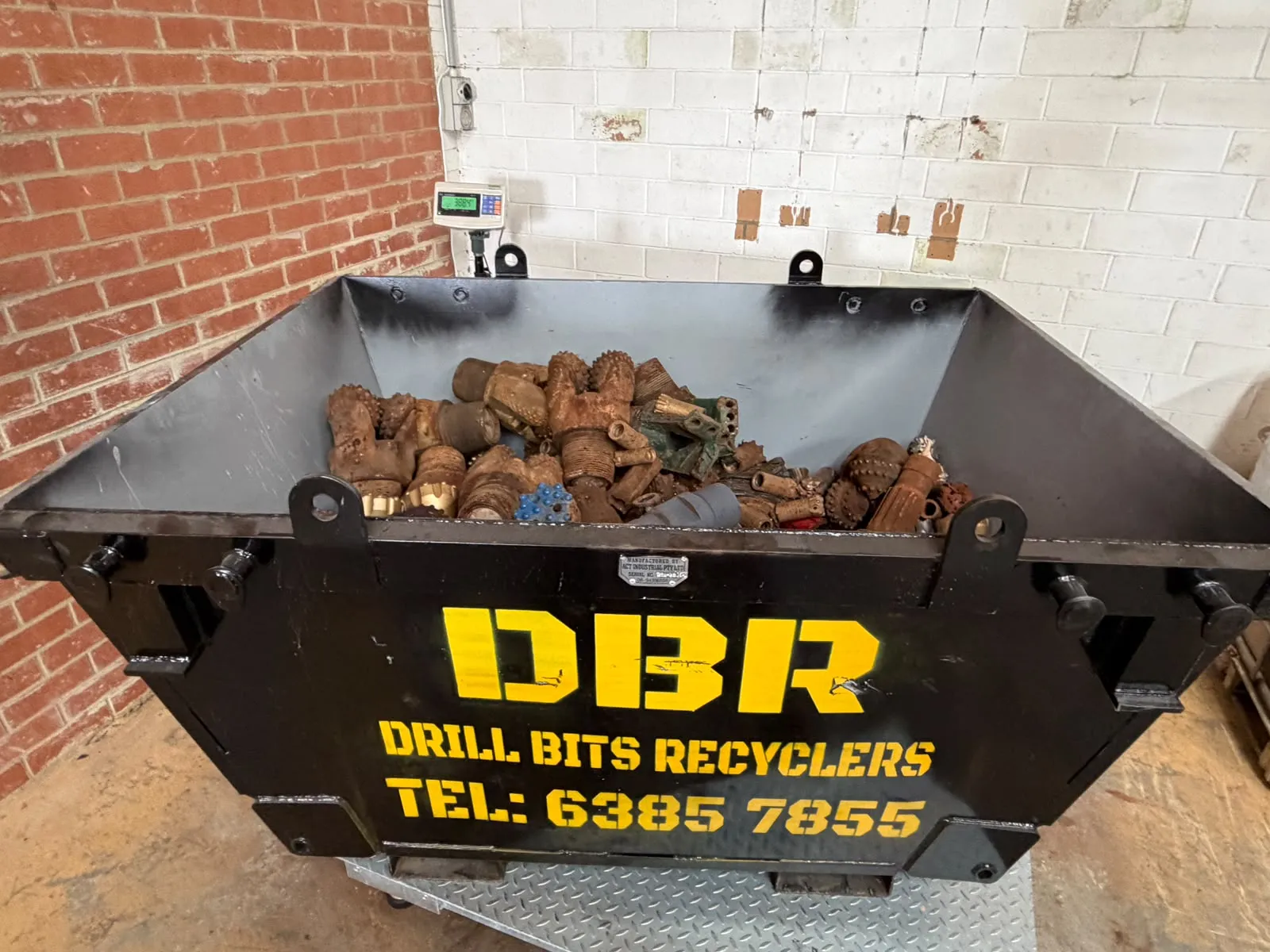
    No cost for the bin, no cost for the freight. The bin travels back to us on an existing backload run rather than on freight we charge for. Our skip bins and IBC pods move on your existing backload; we don’t run a skip truck to pick them up.

Drill Bits Recyclers collection bin loaded with worn drill bits sitting on the depot scale
Responsible recovery

What the research says about recovery.

Independent research published in Journal of Cleaner Production (2019) found recycling can reduce environmental impacts by 22 to 100 percent, depending on the category. Recovering tungsten carbide and alloy steel also keeps them out of landfill and mixed scrap.

Independent research 22 to 100% reported range, Furberg et al. 2019
Batch records

A record for every batch

Each batch record lists its weight, alloy grade and destination, giving your team a clear trail for internal reporting.

Tell us what you have

Match your material
to the right service.

Send photos of what you have and where it came from, and we will tell you which material stream it belongs to and how to get it here.

WA-wide · Free bin and freight, on backload · Priced by grade and alloy content